
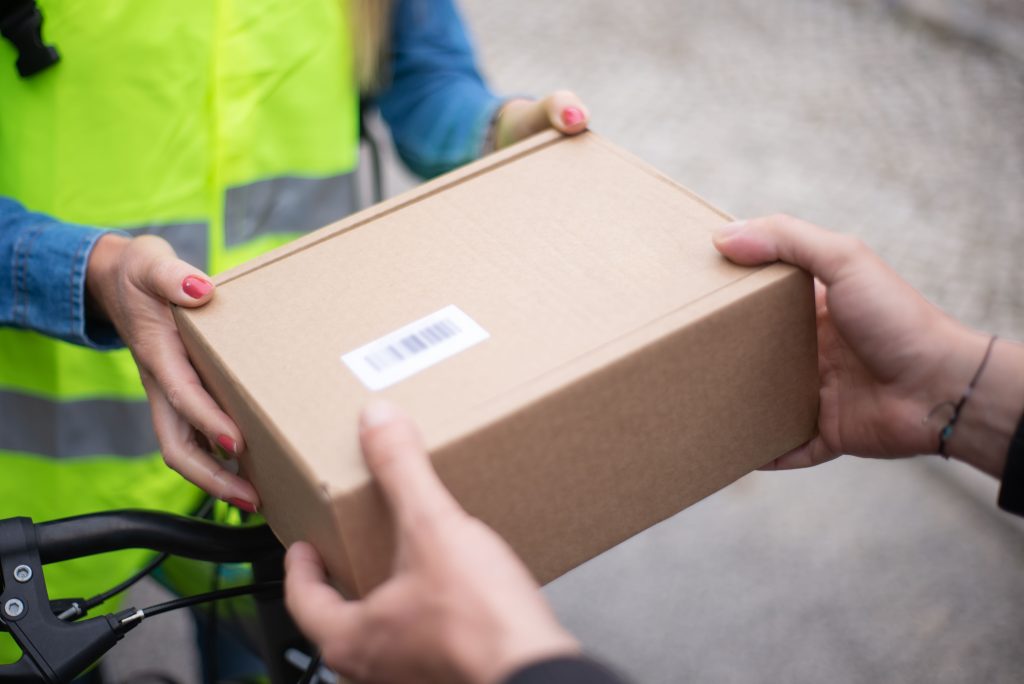
Shipping products doesn’t have to be complicated, but small businesses need a clear process to keep orders moving without unnecessary costs or delivery problems. From choosing packaging to selecting a courier, a few practical decisions can make shipping faster, more reliable, and easier to manage as your business grows.
Start With the Right Packaging
The packaging you choose should protect the product without adding unnecessary size or weight. A box that is too large may require extra filling material and can increase shipping costs, while packaging that is too small may leave the product vulnerable to damage.
Choose packaging based on the size, weight, and fragility of your products. Use cushioning for items that can break or become damaged during transit, and fill empty spaces so the product doesn’t move around inside the package. Before sealing the box, make sure everything is secure and the package can handle normal handling during delivery.
Choose a Courier Based on Your Needs
The cheapest courier isn’t always the best option, and the fastest service isn’t always necessary. Small businesses should compare couriers based on factors such as delivery speed, service coverage, tracking, pickup options, package limits, and overall cost.
If customers expect quick delivery, an express service may be worth considering. For less urgent orders, standard delivery can help keep costs under control. If you regularly ship to different locations, compare services based on the destinations you actually serve rather than choosing a courier based only on general reputation.
Calculate Shipping Costs Before You Set Your Price
Shipping costs can quickly affect your profit if they aren’t considered when pricing your products. Before setting a shipping fee, look at the total cost of sending an order, including packaging materials, courier charges, and any additional service fees.
Also consider the size and weight of your packages. Some shipping services calculate charges using dimensional weight, which means a large but lightweight package can cost more than expected. Using appropriately sized packaging can help prevent unnecessary costs.
Make Tracking Part of Your Process
Tracking gives both you and your customers visibility after an order leaves your business. Always provide tracking information when the selected shipping service offers it, and make sure the tracking number is correctly connected to the right order.
If a customer asks where their package is, check the latest tracking update before contacting the courier. A shipment marked as “in transit” may still be moving normally, while a status showing an attempted delivery or exception may require action.
Prepare Orders Consistently
A repeatable shipping process can save time and reduce mistakes. Create a simple routine for checking the product, preparing the packaging, attaching the shipping label, recording the tracking number, and handing the package to the courier.
Consistency becomes even more important as order volume increases. A process that works for five orders a week may become difficult to manage when you’re shipping dozens every day.
Avoid Common Shipping Mistakes
Small businesses can prevent many shipping problems by checking a few basic details before dispatch. Confirm the customer’s name and address, make sure the package is properly sealed, check that the label is readable, and verify that the selected service matches the package requirements.
It’s also useful to keep records of shipping costs, delivery issues, and customer complaints. Over time, this information can show you which products, destinations, or shipping methods are creating the most problems.
Make Shipping Easier as You Grow
The goal isn’t simply to get products from your business to your customers. It’s to create a shipping process that is affordable, reliable, and easy to repeat. Start with suitable packaging, compare courier options, understand your costs, use tracking, and build a consistent routine. These simple steps can help small businesses reduce shipping mistakes while giving customers a better delivery experience.