
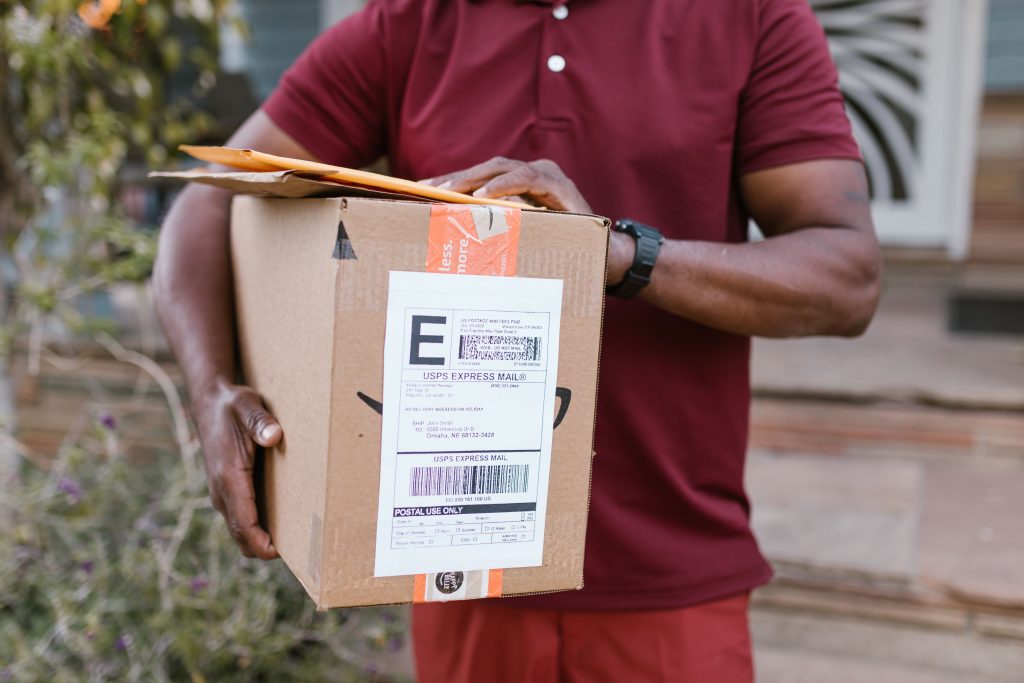
E-commerce fulfillment can quickly become complex when orders increase or inventory moves to different locations. The solution is to create a fulfillment process that is organized, consistent, and easy to scale. These best practices can help reduce errors, control costs, and keep orders moving.
Maintain inventory accuracy
Inventory mistakes are one of the quickest ways to create fulfillment problems. If your system says an item is available when it’s not actually in stock, customers may place orders you can’t ship.
Use inventory management software to track stock levels in real time. Set reorder points for popular products and conduct regular physical inventory counts. Accurate inventory data helps prevent overselling, delays, and unnecessary customer complaints.
Organize your warehouse for faster picking
Warehouse layout directly impacts how quickly orders can be processed. Products that sell frequently should be placed where employees can easily access them, while less frequently sold items can be stored further away.
Group related products together when possible, and clearly label shelves, bins, and storage areas. A well-organized warehouse reduces walking time and lowers the chance of errors when picking orders.
Standardize the picking and packing process.
Inconsistent fulfillment processes can lead to incorrect products, missed items, or poorly packed shipments. Create a standard procedure that employees can follow for every order.
Use barcode scanning to check products before packing them. Give packers clear instructions to choose the right box, protective materials, and shipping label. Simple checks at this stage can prevent costly returns and reshipments later on.
Choose packaging based on the product
Using the same packaging for every order can increase shipping costs or make products susceptible to damage. Choose packaging based on the item’s size, weight, fragility, and destination.
Use appropriately sized boxes or mailers to avoid paying for unnecessary dimensional weight. Fragile products may require cushioning, while durable products often need very little extra protection. The goal is to protect the order without adding unnecessary material or cost.
Establish clear shipping policies.
Customers shouldn’t have to guess when their order will arrive. Establish clear shipping methods, cutoff times, and delivery expectations. Offer appropriate options based on the customer’s needs and the product’s value. For example, standard shipping might work for regular purchases, while expedited shipping can be offered when speed matters. Ensure that the delivery estimates shown at checkout align with realistic targets that your fulfillment operations can achieve.
Track orders after they’re shipped
Fulfillment doesn’t end when the package is handed over to the carrier. Tracking helps you identify delayed, lost, or unusual shipments before customers contact you.
Automatically send tracking information and monitor shipments that appear to be stuck in transit. Proactive communication can turn a delivery problem into a manageable customer-service issue.
Measure fulfillment performance
You can’t improve fulfillment without knowing where problems originate. Track metrics like order accuracy, processing time, shipping costs, return rate, and on-time orders.
Instead of handling each mistake individually, focus on recurring problems. If certain products are repeatedly picked incorrectly, improve their labeling or storage location. If packing takes too long, review the materials and workflow.
Create a process that’s scalable
A fulfillment process that works for 50 orders can fail at 500. Choose systems, layouts, and processes that can handle higher order volumes without relying entirely on manual labor.
Automate repetitive tasks like order updates, inventory alerts, shipping notifications, and label creation. When order volume exceeds what your team can efficiently handle, consider whether a third-party fulfillment provider can take on some or all of the operations.
Effective e-commerce fulfillment depends on controlling the details. Keep inventory accurate, make picking and packing consistent, use the right packaging, communicate delivery expectations, and measure performance. These practices make fulfillment faster and more reliable, while also providing a seamless experience for both your team and your customers.